
Introduction
Canada continues to attract foreign professionals and entry-level workers seeking stable employment and long-term migration opportunities. Many international applicants successfully obtain work permits with employer sponsorship, relocation support, and access to mandatory health insurance systems. Preparing financially with a relocation budget of about $2,000 and understanding the work permit process can significantly improve approval chances and help new arrivals settle quickly.
Canada’s strong labor protections, insurance coverage systems, and financial infrastructure make it easier for new workers to build credit, access loans, and eventually qualify for mortgage opportunities while developing long-term careers.
Understanding the Canadian Work Permit System
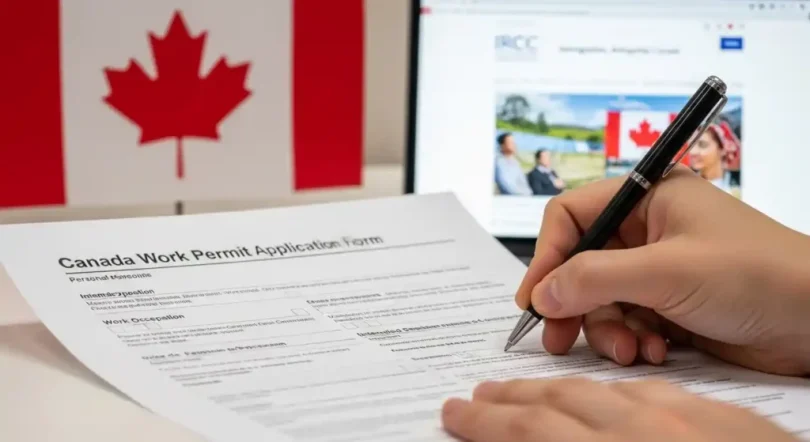
Canada issues several types of work permits designed to allow foreign workers to legally join the labor market. The most common options include employer-specific work permits and open work permits.
Employer-specific permits are tied to a job offer from a Canadian employer. In most cases, the employer must demonstrate that hiring a foreign worker is necessary due to labor shortages. Once approved, the worker can apply for a permit and begin relocation preparations.
Open work permits allow greater flexibility, permitting workers to change employers within Canada. This option is common for spouses of skilled workers or graduates.
Many applicants consult an immigration lawyer or attorney during the application process to ensure documentation is properly prepared and submitted.
Preparing the $2,000 Relocation Budget
A relocation budget helps cover essential expenses during the first weeks in Canada. While some employers provide relocation support, workers should still prepare a basic financial plan.
The typical $2,000 relocation budget often includes:
Visa processing fees and documentation preparation
Travel costs and arrival expenses
Temporary accommodation
Initial transportation costs
Basic living expenses
Proper financial planning is important when relocating internationally. Workers may explore financial tools such as a personal loan or business loan if additional funds are needed during relocation.
Building good financial habits early also helps newcomers develop credit history. A strong credit profile can later allow access to services such as company credit line options, structured settlement loan opportunities, and wealth management services designed for long-term financial stability.
Mandatory Health Insurance Requirements
Health insurance is a critical requirement for workers relocating to Canada.
Most provinces require workers to have valid medical insurance coverage until they qualify for public healthcare systems. Many employers provide temporary insurance coverage during the initial employment period.
Typical employer packages may include life insurance, accident protection, and workplace coverage.
Insurance protection is essential for workers in physically demanding industries such as construction, transportation, or offshore operations. In these sectors, legal specialists such as a construction accident lawyer near me, offshore accident lawyer, or oil rig injury lawyer may handle complex injury cases if workplace incidents occur.
Workers should also understand insurance options such as car insurance quotes or auto insurance quotes if they plan to drive in Canada.
Jobs That Commonly Offer Work Permit Sponsorship
Several industries regularly recruit international workers and offer competitive salaries.
Construction companies frequently sponsor foreign workers for infrastructure projects. These positions often include workplace insurance protection and safety training.
Transportation and logistics companies hire truck drivers and warehouse supervisors due to labor shortages. Workplace legal protections are critical in this industry, where safety matters involving a truck accident attorney near me or truck collision attorney may arise in rare accident situations.
Healthcare support, hospitality management, manufacturing, and agricultural sectors also hire foreign workers through government-approved programs.
These roles often offer stable salaries and benefits that support long-term settlement.
Legal Protection and Worker Safety
Canada maintains strict labor regulations that protect workers from unsafe conditions and unfair employment practices.
Workers who experience accidents or injuries have access to legal protection through professional representation. Depending on the situation, legal specialists such as a personal injury attorney nearby, motorcycle accident lawyer near me, pedestrian accident attorney near me, or car accident lawyer near me may handle claims.
In highly specialized incidents, professionals such as aviation accident lawyer, maritime lawyer New Orleans, or mesothelioma attorney assistance experts may be involved in occupational investigations.
Understanding these protections ensures workers maintain financial security and legal support while living abroad.
Financial Stability and Credit Opportunities
Relocating to Canada also provides opportunities to establish long-term financial security.
New workers often open bank accounts, build credit history, and access financial tools such as credit line for businesses or structured settlement buyer programs when planning entrepreneurial ventures.
Financial institutions also provide investment banking services, asset planning support, and wealth management services for professionals seeking long-term settlement.
Entrepreneurs may also explore financing tools such as fast invoice factoring or factoring company services to support small business development.
Education and Career Advancement
Many international workers eventually pursue further education while living in Canada.
Obtaining a recognized degree or professional certification increases career prospects and salary potential. Education also supports eligibility for permanent residency programs and long-term immigration pathways.
Canada’s education system provides opportunities for workers to upgrade their qualifications while maintaining employment.
Key Takeaways
• Canada offers multiple work permit pathways for foreign workers across different industries
• A relocation budget of around $2,000 helps cover essential settlement expenses
• Health insurance is mandatory until workers qualify for provincial healthcare coverage
• Workers benefit from strong labor protections, legal support, and insurance coverage
• Building credit and financial stability is essential for long-term settlement in Canada
FAQ
How much money should I prepare before moving to Canada?
A relocation budget of about $2,000 is commonly recommended to cover travel, accommodation, and early living expenses.
Is health insurance required for foreign workers?
Yes. Workers must maintain valid health insurance until they qualify for public healthcare coverage in their province.
Can foreign workers apply for permanent residency?
Yes. Many workers transition from temporary work permits to permanent residency through immigration programs.
What industries hire foreign workers in Canada?
Construction, healthcare support, logistics, hospitality, manufacturing, and agriculture frequently recruit international workers.
Can newcomers build credit in Canada?
Yes. Opening a bank account, maintaining stable employment, and using financial services responsibly helps build credit history.
Conclusion
Canada remains one of the most attractive destinations for foreign workers seeking stable employment, legal migration pathways, and strong social protections. Understanding the work permit system, preparing a relocation budget, maintaining health insurance, and building financial stability are essential steps toward a successful relocation. With proper planning and awareness of legal protections, international workers can establish secure careers and long-term opportunities in Canada.