
Canada continues to be one of the top destinations for skilled workers in 2026, offering strong labor markets, high-quality healthcare, and structured immigration pathways. Securing a Canadian work permit this year not only allows foreign nationals to access high-paying jobs but also ensures eligibility for relocation support and mandatory health insurance. Understanding the complete process—including application requirements, budget planning, and insurance—is key to a smooth move and long-term settlement.
Understanding Canadian Work Permits in 2026
A Canadian work permit grants legal permission to work in Canada for a specific employer, location, and period. In 2026, the main types include:
- Employer-specific work permits: Tied to a single employer, typically requiring an approved job offer and, in many cases, a Labor Market Impact Assessment (LMIA).
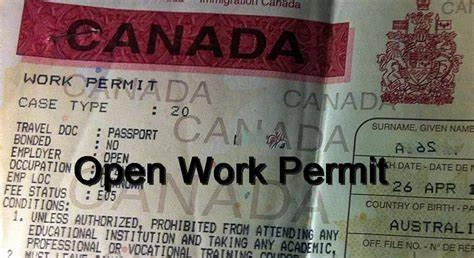
- Open work permits: Allow employment with any eligible employer, often issued to spouses of skilled workers, international graduates, or under special programs.
Choosing the correct work permit type ensures compliance with immigration laws and eligibility for employment benefits, including mandatory health insurance.
Eligibility Criteria for Work Permits
Applicants seeking a Canadian work permit in 2026 generally need:
- A valid job offer from a Canadian employer
- Proof of relevant qualifications, certifications, and work experience
- Sufficient funds to cover initial settlement costs, including relocation and living expenses
- Compliance with health and security requirements
For LMIA-required positions, employers must demonstrate that no qualified Canadian worker is available for the role. Certain international agreements or special programs may waive this requirement.
Securing a Job Offer With Sponsorship
Employer sponsorship is crucial for most Canadian work permits. A sponsored job offer increases approval chances by confirming that the employment is genuine. Key steps include:
- Identify eligible employers approved by Canadian immigration authorities.
- Submit a CV highlighting experience, skills, and certifications.
- Obtain a formal job offer specifying salary, benefits, and contract terms.
- Ensure the employer provides required documentation for your permit application.
Sponsored roles often include relocation support and employer-provided health insurance.
$2,000 Relocation Budget: Planning and Use
Many foreign workers allocate a relocation budget of around $2,000 for their initial settlement. Typical uses include:
- Temporary accommodation upon arrival
- Local transportation to your new city or province
- Essential household items
- Initial groceries and daily expenses
- Administrative costs such as registering for services
Proper budgeting ensures comfort and financial stability during the first few weeks in Canada.
Mandatory Health Insurance in Canada
All work permit holders in 2026 must have health insurance upon arrival. While Canada’s public healthcare is available in most provinces, some visa types require private coverage during waiting periods. Mandatory insurance typically covers:
- Doctor visits and consultations
- Hospitalization and emergency care
- Prescription medications and preventive care (depending on the plan)
- Optional benefits like dental and vision care
Verifying insurance coverage before departure avoids costly out-of-pocket expenses.
Provincial Variations in Insurance and Benefits
Healthcare access varies by province:
- Ontario & British Columbia: New arrivals may experience a waiting period before provincial coverage begins; private insurance is recommended during this time.
- Alberta & Manitoba: Employers often supplement public healthcare with extended insurance.
- Quebec: Offers a provincial health plan, but temporary workers may need private coverage initially.
Understanding provincial rules ensures compliance and cost predictability.
Salary Expectations and Living Costs
Canadian work permits often offer salaries of $50,000+ for skilled positions. Living costs vary by city:
- High-cost cities: Toronto, Vancouver, and Montreal have higher rent, transportation, and daily expenses.
- Regional centers: Calgary, Halifax, Winnipeg, and Edmonton offer lower living costs while maintaining competitive salaries.
Accounting for relocation, insurance, and living expenses ensures financial stability during the transition.
Step-by-Step Process to Obtain a Canadian Work Permit
- Secure a sponsored job offer from an eligible employer.
- Confirm employer documentation for LMIA or equivalent approval.
- Prepare personal documents: passport, education certificates, work experience letters, and language proficiency proof.
- Submit the work permit application online or at a Canadian visa office.
- Show proof of funds to cover relocation and initial living expenses.
- Purchase mandatory health insurance to cover any waiting period or visa requirements.
- Receive your work permit and prepare for relocation.
Following this process carefully improves approval chances and ensures a smooth transition.
Tips for a Smooth Relocation
- Confirm employer legitimacy and sponsorship status.
- Maintain a $2,000 relocation fund for initial costs.
- Research provincial healthcare policies before departure.
- Keep all documents organized and accessible.
- Plan accommodation and local transportation in advance.
Conclusion
Securing a Canadian work permit in 2026 requires careful planning, a valid job offer, relocation budgeting, and mandatory health insurance. By understanding the work permit types, provincial healthcare rules, salary expectations, and required documentation, foreign workers can enjoy a seamless move and a strong start in Canada. Preparation ensures that you maximize the benefits of employer sponsorship, maintain insurance coverage, and settle comfortably into your new career and life.