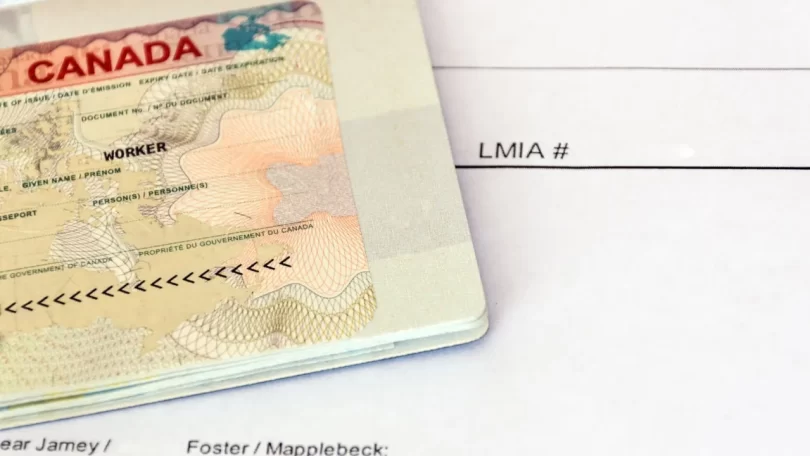

Are you dreaming of starting a new life in Canada through legal employment? You’re not alone. With thousands of companies hiring foreign workers and clear immigration pathways, Canada’s work permit system has become one of the most attractive options for migrants.
This updated guide will walk you through everything you need to know — from finding a job in Canada with sponsorship to submitting your work visa application and starting your journey toward Canadian residency.
🧭 Overview: Why Work in Canada?
- Stable economy & fair wages
- Worker-friendly laws & labor rights
- Clear immigration pathways to PR
- Healthcare, education & family benefits
- Multicultural, safe, and welcoming society
Whether you’re skilled or semi-skilled, Canada offers work opportunities through various federal and provincial programs designed to bring in international talent.
✅ Step 1: Know the Types of Canada Work Permits
There are two main types:
| Type of Work Permit | Description |
|---|---|
| Employer-Specific Work Permit | Tied to one employer (requires LMIA or job offer) |
| Open Work Permit | Not job-specific (for spouses, students, asylum seekers, etc.) |
For most foreign workers, the Employer-Specific Work Permit is the standard option.
🧑💼 Step 2: Find a Job With Sponsorship
To apply for a work permit, you must first secure a valid job offer. Here’s how:
🔍 Where to Find Jobs
- Job Bank Canada
- Indeed Canada
- Monster.ca
- CanadaJobs.com
- Recruiters like Global Hire, Hays, and Goldbeck Recruiting
Tip: Filter jobs using terms like “LMIA available”, “visa sponsorship”, or “foreign workers welcome.”
📝 Step 3: Get LMIA or PNP Support From Employer
Your employer must:
- Apply for a Labour Market Impact Assessment (LMIA)
- OR nominate you through a Provincial Nominee Program (PNP)
An LMIA is a government document that proves no Canadian was available for the job.
LMIA Exemptions:
- Some jobs (e.g., under NAFTA, CUSMA, GTS) are LMIA-exempt
- Open work permit routes (e.g., spousal permits, postgraduate work permits)
📋 Step 4: Gather Required Documents
You’ll need:
| Document | Details |
|---|---|
| Valid Passport | At least 6 months before expiry |
| Job Offer Letter | Signed contract from Canadian employer |
| LMIA or PNP Certificate | Provided by your sponsor employer or province |
| Educational Credentials | Optional for some roles, but helpful |
| Work Experience Proof | Letters from previous employers |
| Language Test (IELTS/CELPIP) | Needed for most immigration streams and PNP |
| Police Certificate | Must be from all countries you’ve lived in for 6+ months |
| Medical Exam Results | Required for healthcare jobs, food handling, and long-stay visas |
📨 Step 5: Submit Your Work Permit Application
You can apply:
- Online at IRCC’s portal
- Via Paper through a visa application center (VAC)
🕒 Processing Time: Typically 6–12 weeks, varies by country and program
💵 Fees:
- Work permit application: CAD $155
- Open work permit holder fee (if applicable): CAD $100
- Biometrics: CAD $85
🏡 Step 6: Travel to Canada and Start Working
Once approved, you’ll receive a Port of Entry (POE) Letter. Bring this with you when landing in Canada. Border officers will issue your physical work permit at the airport.
You can now:
- Start work
- Apply for your SIN (Social Insurance Number)
- Register for provincial healthcare
- Open a bank account and secure housing
🧭 Optional: Apply for Permanent Residency (PR)
After gaining Canadian work experience (usually 1 year), you may become eligible to apply for PR under:
- Canadian Experience Class (CEC)
- Federal Skilled Worker (FSW)
- Provincial Nominee Programs (PNPs)
- Atlantic Immigration Program
- Agri-Food Pilot
This means you can eventually settle permanently in Canada with your family.
🛑 Common Mistakes to Avoid
- Applying without a real job offer
- Not checking LMIA requirements
- Submitting incomplete applications
- Using unverified recruitment agents
- Ignoring language test or credential assessments
🧾 Summary Table: Canada Work Permit Application (updated)
| Step | Details |
|---|---|
| 1. Find Sponsored Job | Use Job Bank, recruiters, or province-specific portals |
| 2. Get LMIA or PNP Support | Provided by employer or province |
| 3. Collect Documents | Passport, job letter, LMIA/PNP, proof of experience |
| 4. Apply for Permit | Online or through VAC |
| 5. Enter Canada | With POE letter and supporting documents |
| 6. Begin Work & PR Process | After gaining work experience, transition to PR |
🎯 Final Thoughts
With proper preparation, you can legally migrate to Canada, earn a good salary, and build a future for yourself and your family. The Canada work permit system is clear, supportive, and transparent — but success requires action.
🔔 Now is the time to apply. Thousands of employers are hiring in 2025 — start your process today